Top Qs
Timeline
Chat
Perspective
List of current first ministers of Canada
From Wikipedia, the free encyclopedia

Remove ads
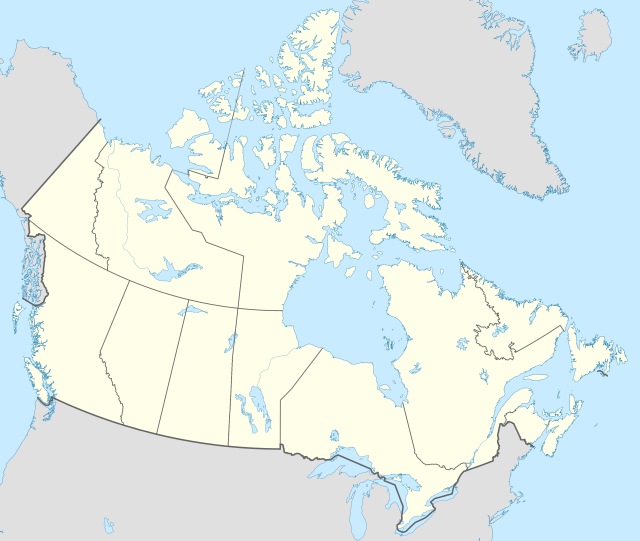
Canada is a federation that comprises ten provinces and three territories. Its government is structured as a constitutional monarchy and a parliamentary democracy, with a monarch as its sovereign and a Prime Minister as its head of government. Each of the country's provinces and territories also has a head of government, called premier in English. Collectively, the federal Prime Minister and provincial and territorial premiers are referred to as first ministers. In French, the term premier ministre is used in both the federal and provincial/territorial contexts.
The longest-serving current first minister is Scott Moe of Saskatchewan, who assumed office on February 2, 2018; the newest first minister is Bloyce Thompson of Prince Edward Island, who assumed office on December 12, 2025. The oldest first minister, Tony Wakeham of Newfoundland and Labrador, is 69; the youngest first minister, Currie Dixon of Yukon, is 40. Of the current first ministers, two (Danielle Smith of Alberta and Susan Holt of New Brunswick) are women and two (Wab Kinew of Manitoba and R.J. Simpson of the Northwest Territories) are Indigenous.[note 1]
Eight first ministers are from broadly right-leaning parties,[note 2] while two are from both broadly centrist "Liberal" parties and broadly left-leaning "New Democratic" parties. The premiers of the Northwest Territories and Nunavut are non-partisan within consensus government systems.
Remove ads
Current first ministers of Canada
Premiers are listed in accordance with the provincial order of precedence: provinces before territories, and by order of joining confederation within those categories; where multiple jurisdictions joined confederation in the same year, they are ordered by population at the time of joining. Incumbency is current as of December 14, 2025.

.jpg)
.jpg)


.jpg)
_(cropped).png)
.jpg)


Remove ads
See also
Notes
- Kinew is Ojibwe from Ojibways of Onigaming First Nation and Simpson is Métis.
- "Progressive Conservative" parties in Newfoundland and Labrador, Nova Scotia, Ontario, and Prince Edward Island, as well as the Coalition Avenir Québec in Quebec, the Saskatchewan Party in Saskatchewan, the United Conservative Party in Alberta, and the Yukon Party in Yukon.
References
External links
Wikiwand - on
Seamless Wikipedia browsing. On steroids.
Remove ads